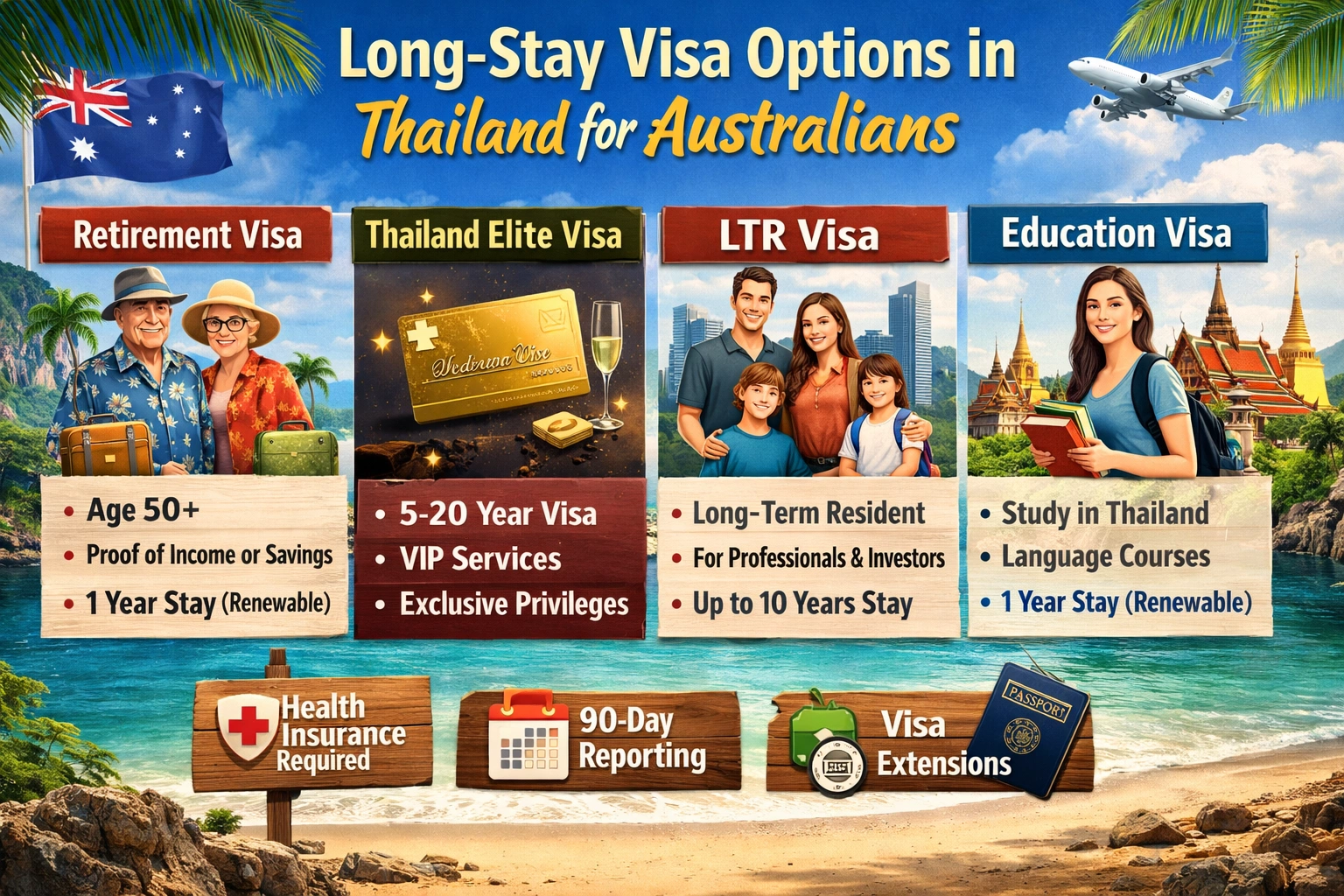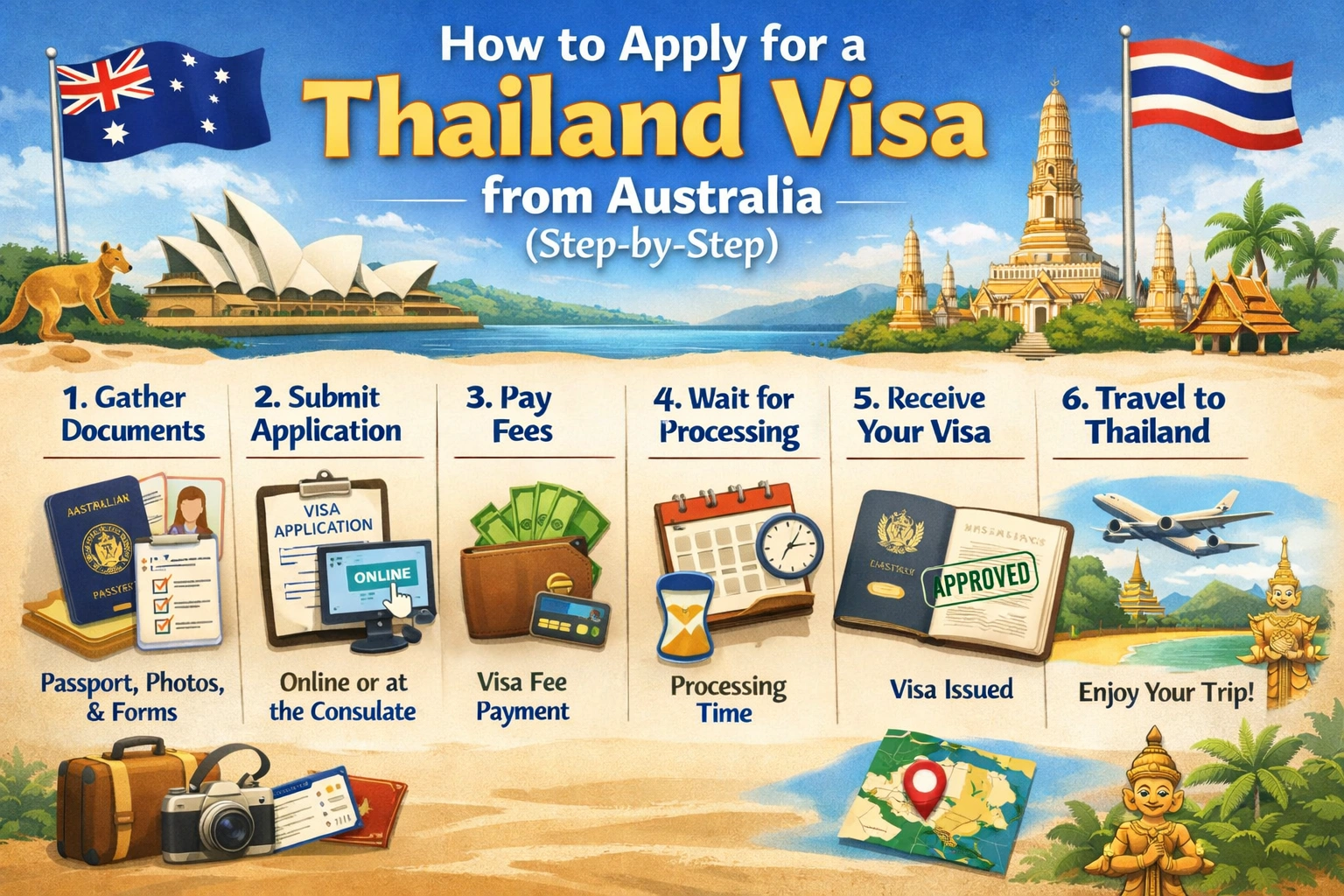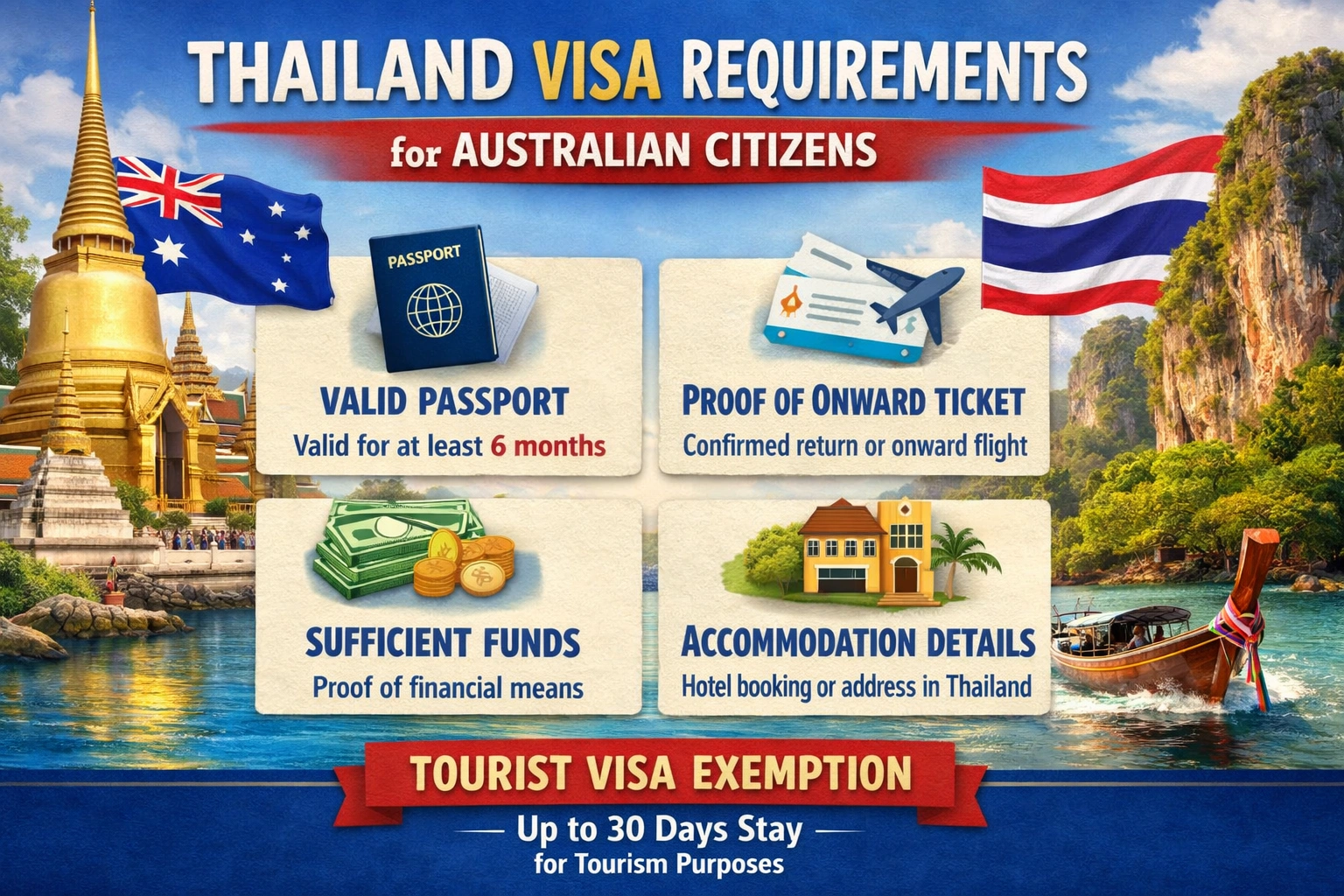
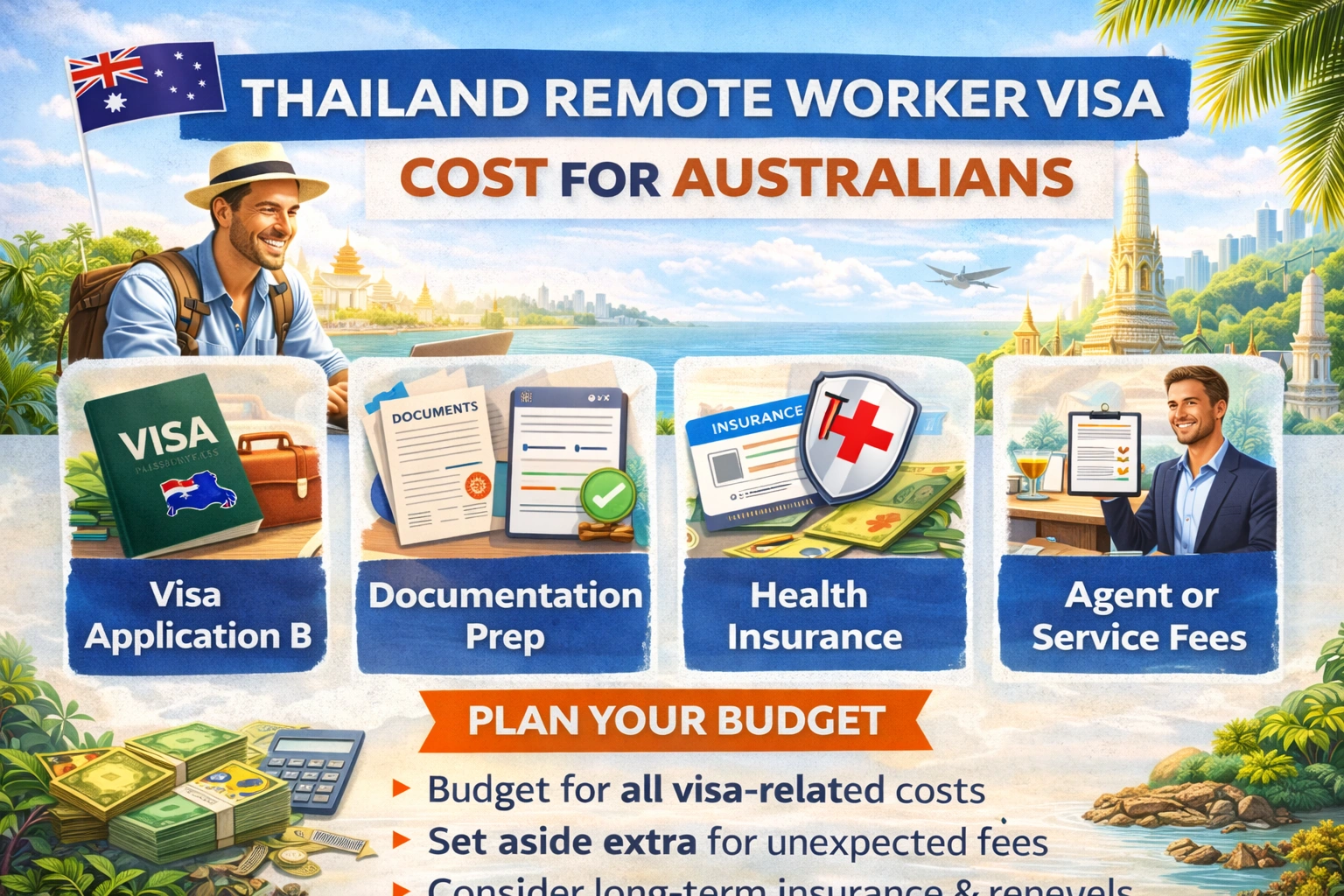
For Australians considering long-term living in Thailand while working remotely, understanding the Thailand remote worker visa cost Australia is an essential first step. While Thailand is often seen as an affordable destination, visa-related costs can vary depending on application methods, documentation, and long-term planning choices.
This article breaks down the expected costs Australians should prepare for when applying for a Thailand remote worker visa, helping you budget realistically and avoid unexpected expenses.
Understanding the Thailand Remote Worker Visa Cost Structure
The cost of a Thailand remote worker visa is not limited to a single application fee. Instead, it is made up of several components that together determine the total financial commitment.
Australians should expect costs to include government visa fees, documentation expenses, insurance requirements, and supporting services. Understanding how these elements fit together allows remote workers to plan their move with greater clarity and confidence.
Visa Application Fees for Australians
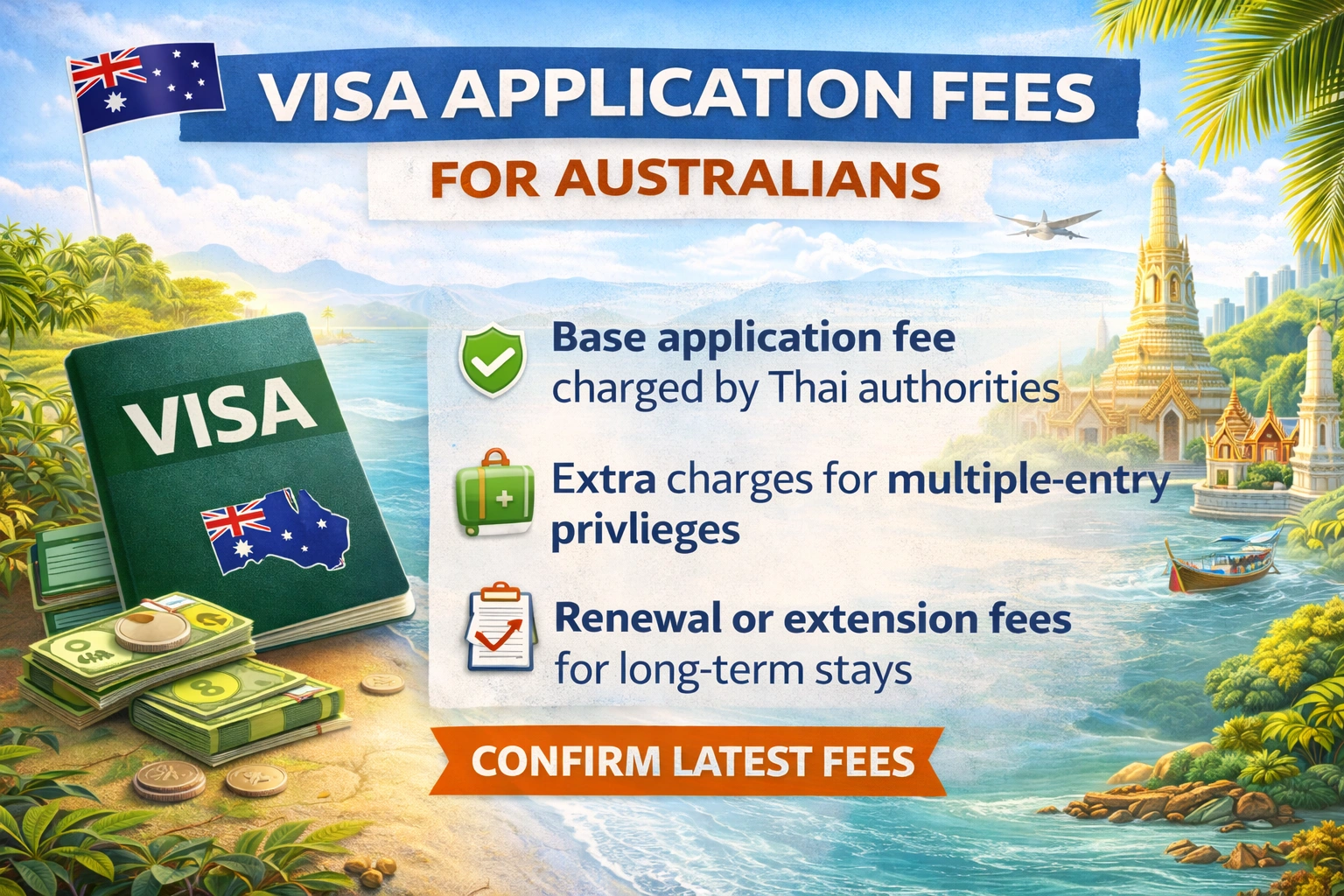
The core cost of the Thailand remote worker visa comes from official government application fees. These fees can vary depending on visa duration, entry type, and where the application is submitted.
In most cases, Australians should budget for:
-
A base visa application fee charged by Thai authorities, which covers processing and issuance of the remote worker visa.
-
Additional charges for multiple-entry privileges, if applicable, allowing flexibility for travel in and out of Thailand.
-
Possible renewal or extension fees if the visa allows long-term stays beyond the initial approval period.
While application fees are generally predictable, confirming the latest rates before applying is always recommended.
Documentation and Preparation Costs
Beyond visa fees, Australians should factor in costs related to preparing supporting documents. These expenses can add up, especially if documents must meet specific formatting or certification requirements.
Common documentation-related costs include:
-
Certified copies, translations, or notarisation of documents required to support the visa application.
-
Bank statements or financial verification documents prepared specifically for immigration purposes.
-
Employment or income verification documents for remote workers earning from overseas sources.
Preparing documents correctly helps avoid delays and repeat submissions, which can increase overall costs.
Health Insurance and Coverage Expenses
Health insurance is often a required or strongly recommended part of the Thailand remote worker visa process. Insurance costs vary based on coverage level, provider, and length of stay.
Australians typically budget for:
-
International or expat health insurance plans that meet Thailand’s visa requirements.
-
Coverage that includes both routine medical care and emergency treatment during long stays.
-
Annual premiums that reflect age, medical history, and lifestyle while living abroad.
Although insurance adds to the upfront cost, it provides financial protection and peace of mind throughout the stay.
Professional Service and Assistance Fees
Some Australians choose to use visa agents or professional services to assist with their application. While optional, this can influence the total Thailand remote worker visa cost Australia.
Professional assistance may include:
-
Visa consultation and eligibility assessment to ensure the correct visa pathway is chosen.
-
Document review and application preparation to reduce errors and processing delays.
-
Ongoing support for extensions, reporting requirements, or compliance matters.
These services add cost but can save time and reduce stress, particularly for first-time applicants.
Ongoing Costs After Visa Approval
Visa-related expenses do not always end once the application is approved. Australians should plan for ongoing costs during their stay in Thailand.
Typical ongoing costs include:
-
Visa renewal or extension fees, depending on the visa’s validity period.
-
Periodic reporting or administrative fees required by Thai immigration.
-
Continued insurance premiums and document updates over time.
Including these costs in long-term budgeting helps remote workers maintain compliance without surprises.
Comparing Visa Costs to Living Expenses in Thailand
When evaluating the Thailand remote worker visa cost, many Australians consider it alongside the broader cost of living. While visa expenses are an added layer, they are often offset by lower daily living costs in Thailand.
Remote workers frequently find savings in:
-
Accommodation and utilities compared to Australian cities.
-
Food, transportation, and daily services.
-
Lifestyle flexibility that allows better control over monthly expenses.
This balance makes the overall financial picture more manageable for many Australians.
Budgeting Tips for Australian Remote Workers
Careful budgeting makes the visa process smoother and more predictable. Australians who plan ahead are better positioned to manage both upfront and long-term costs.
Practical budgeting tips include:
-
Preparing a full cost breakdown before applying, including fees, insurance, and support services.
-
Setting aside a buffer for unexpected administrative or documentation expenses.
-
Reviewing visa rules regularly to avoid penalties or rushed renewals.
A structured approach helps remote workers focus on living and working in Thailand, rather than worrying about compliance costs.
Final Thoughts: Is the Cost Worth It for Australians?
For Australians seeking flexibility and the ability to work remotely from Thailand, understanding the Thailand remote worker visa cost Australia is key to making an informed decision. While there are several cost components to consider, many find the overall investment reasonable when compared to lifestyle benefits and long-term affordability.
With proper planning and realistic budgeting, the Thailand remote worker visa can be a practical and sustainable option for Australians looking to live and work remotely in Thailand.