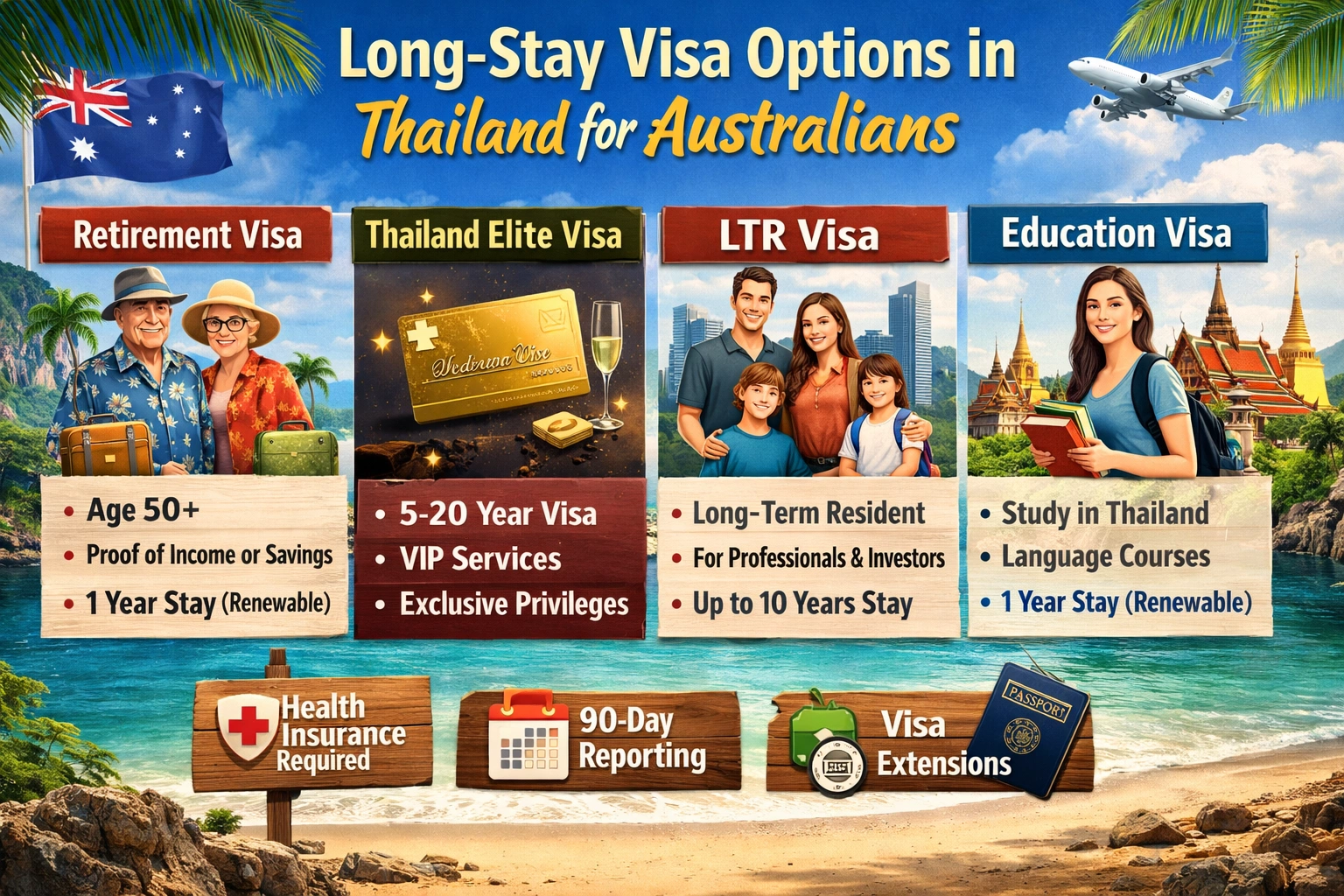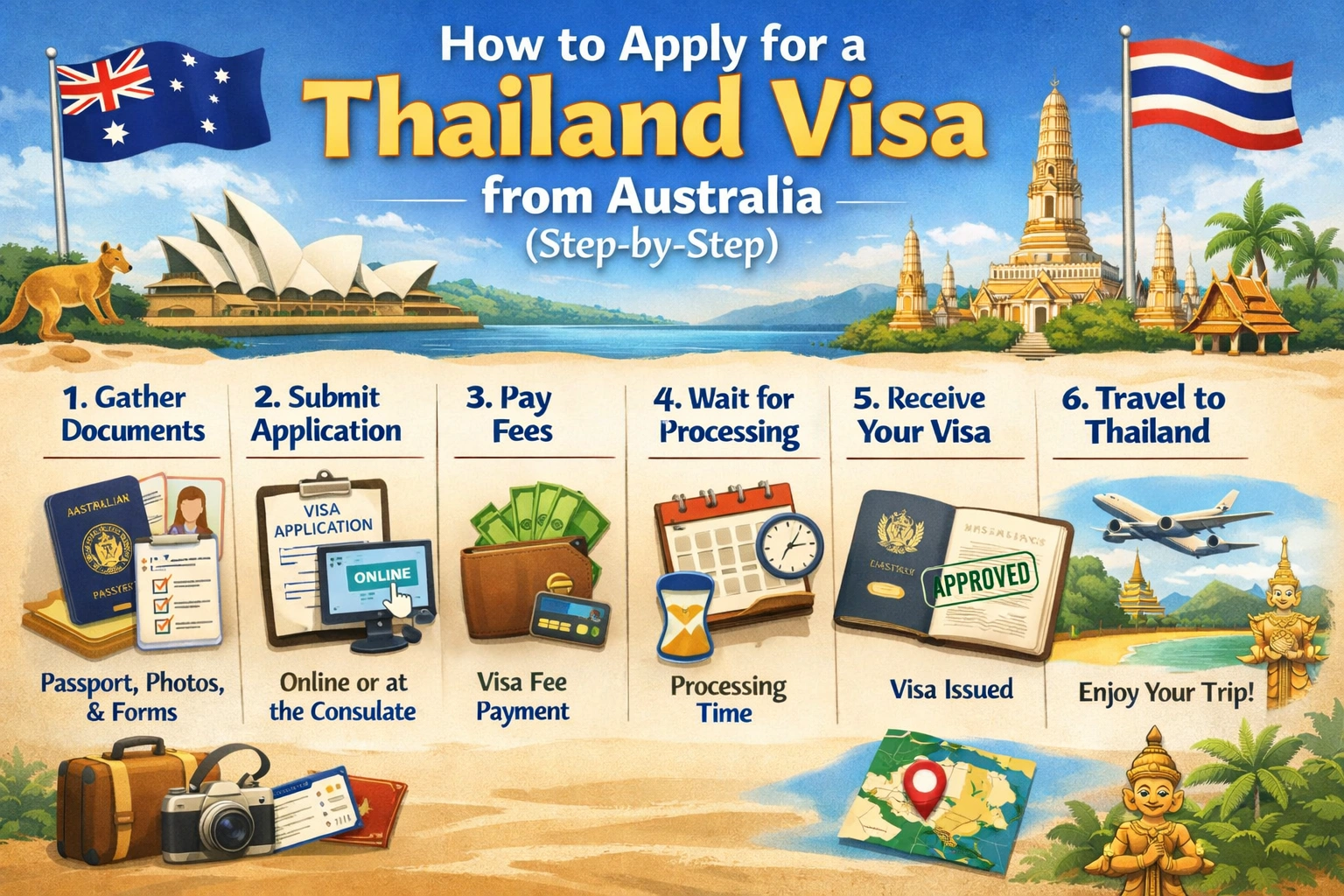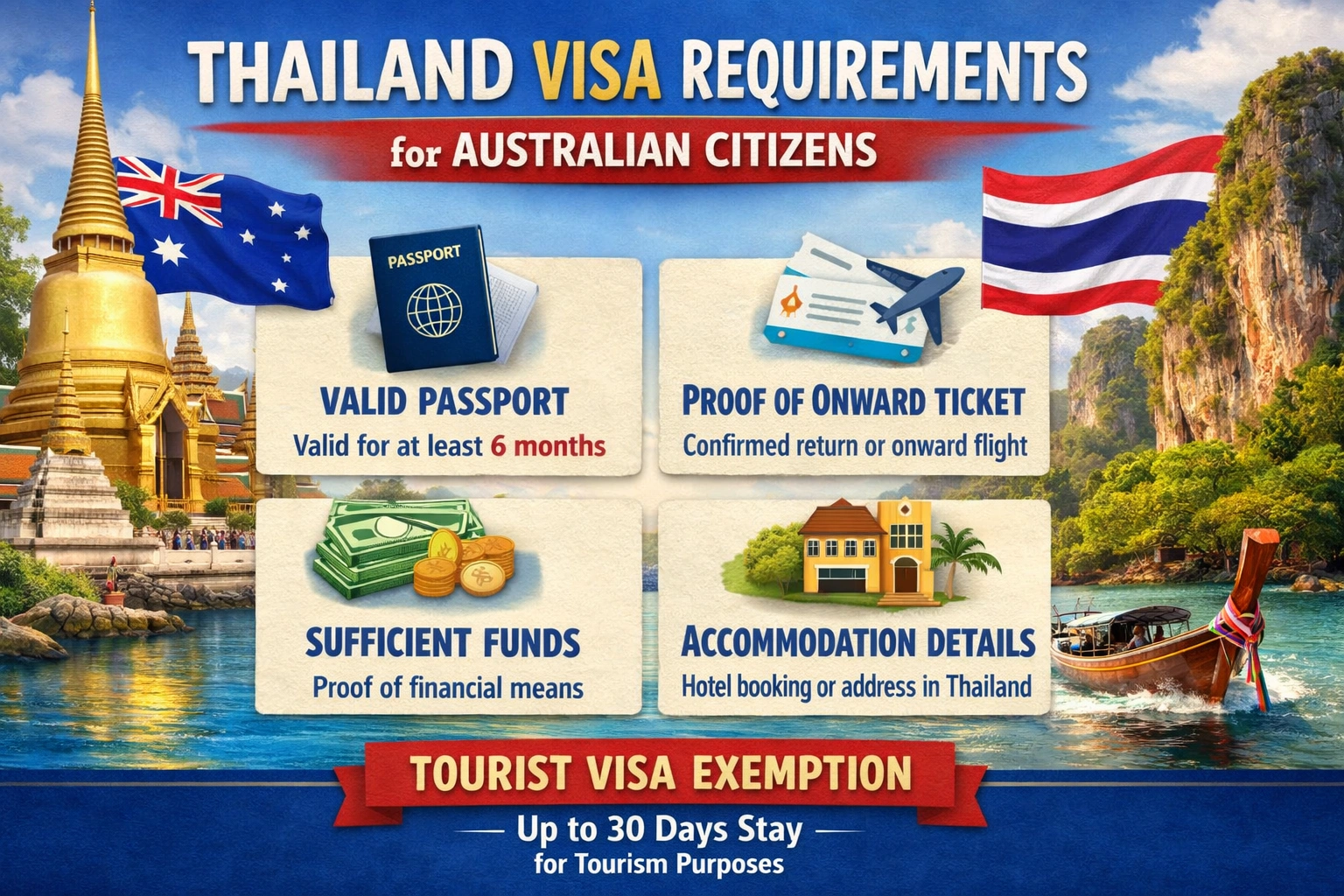
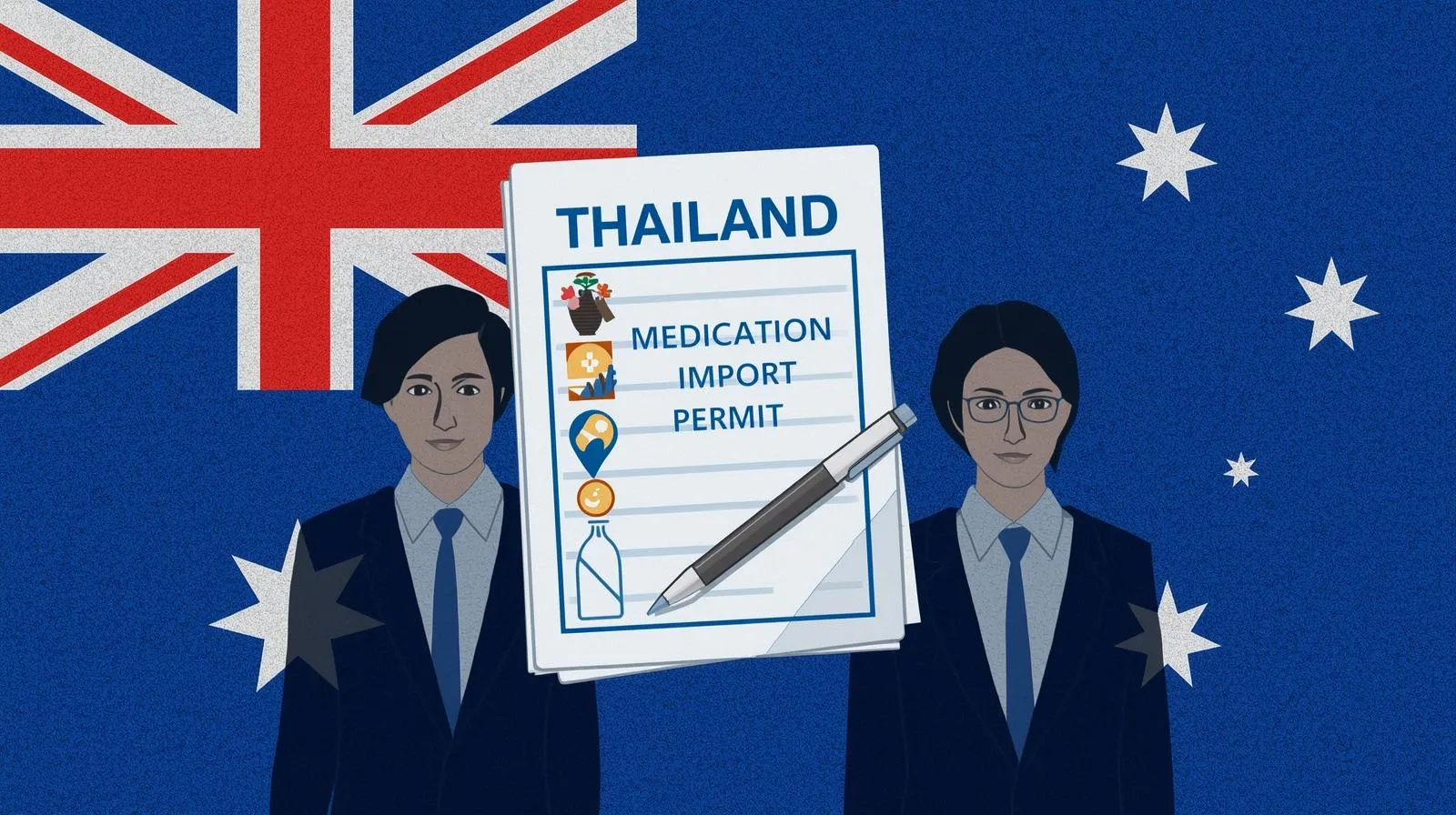
Planning to bring prescription medicine or health products into Thailand? For Australians, understanding the legal process for medication importation is essential. Before traveling, make sure you understand the Visa requirements for Australians visiting Thailand and related import regulations to avoid any customs issues. This guide explains how to get a Thailand medication import permit for Australians, including requirements, procedures, and important travel tips.
Why You Need a Medication Import Permit in Thailand
Thailand treats medication importation seriously to protect public health. While some over-the-counter drugs are freely allowed, others — especially prescription or controlled substances — require prior authorization from the Thai FDA.
For Australians traveling, retiring, or relocating to Thailand, having a Thailand medication import permit ensures that your medicines pass customs inspection smoothly. Without it, you risk confiscation, fines, or legal issues, even for legitimate prescriptions.
Understanding Thailand’s Drug Regulations for Foreigners
The Thai Food and Drug Administration (FDA) oversees all drug-related imports and enforces strict laws covering:
-
Prescription-only medicines
-
Controlled substances (e.g., painkillers containing opioids, anti-anxiety drugs)
-
Psychotropic drugs and narcotics under Thai law
For specific examples and documentation needed, check our guide on Bring prescription medicine to Thailand from Australia.
The key takeaway: always confirm whether your medicine needs a Thailand FDA import license before traveling or shipping it.
Types of Medication Imports Allowed in Thailand
Depending on your purpose, there are two main categories of medication imports:
1. Personal Use Imports
If you’re an Australian visiting Thailand for travel, study, or retirement, you may bring a limited quantity of prescribed drugs — usually not exceeding a 30-day supply — with a doctor’s note and prescription.
2. Commercial Imports
Pharmaceutical companies, clinics, and medical suppliers importing larger quantities must apply for a Thailand FDA import license through the Ministry of Public Health.
Certain controlled drugs also require special permits under the Narcotics Act or Psychotropic Substances Act.
Required Documents for a Thailand Medication Import Permit
When applying for your import permit, you’ll need to prepare the following:
-
Copy of your Australian passport
-
Doctor’s prescription or medical certificate clearly stating your condition and medication
-
Medication details – name, dosage, quantity, and ingredients
-
Invoice or proof of purchase (if commercial import)
-
Application form for the Thai FDA permit
-
Additional permits for narcotic or controlled substances if applicable
Tip: Translate all medical documents into English (and Thai if possible) to speed up approval.
Step-by-Step Process to Apply for a Medication Import Permit
-
Prepare all required documents – including prescription and identification.
-
Contact the Thai Food and Drug Administration (FDA) through their official website or local office.
-
Submit your application with complete medication details and pay any required processing fee.
-
Wait for approval – usually 5–10 working days depending on the medication type.
-
Present your permit at customs upon entering Thailand.
-
Keep your Thailand medication import permit with your prescription during your stay.
You can also consult visa and relocation experts like Thai Visa Solutions, who can assist Australians through the permit process seamlessly.
Can You Bring Prescription Drugs to Thailand Without a Permit?
If your medication is not classified as controlled and is only for personal use, you may bring up to a 30-day supply without applying for a permit, provided that:
-
You carry it in the original packaging
-
You have a prescription or doctor’s note (in English)
-
You declare it at customs if asked
However, if the medicine contains narcotic or psychotropic ingredients (for example, codeine, morphine, or diazepam), a Thai FDA import permit is mandatory — even for small quantities. Always check the Thai FDA’s medication import rules before traveling.
Common Mistakes Australians Make When Importing Medicine
-
Assuming that Australian-approved medicines are automatically legal in Thailand
-
Failing to declare medications at customs
-
Carrying large quantities without documentation
-
Not checking the Thai FDA’s list of controlled drugs
-
Submitting incomplete or untranslated documents
Avoiding these mistakes ensures a smooth and legal entry process with your medication.
What Happens If You Don’t Have a Medication Import Permit
Thailand enforces penalties for unauthorized importation of prescription or controlled drugs.
If customs finds unapproved medicine:
-
It may be confiscated immediately
-
You could face fines or criminal charges under Thai law
-
In severe cases, imprisonment is possible for narcotic-related substances
If this occurs, contact the Australian Embassy in Bangkok for immediate assistance.
FAQs About Thailand Medication Import Permit for Australians
Q1: Can I bring vitamins or supplements to Thailand?
Yes, most over-the-counter vitamins and supplements are allowed, but must be for personal use only.
Q2: How long does the Thai FDA approval take?
Usually between 5 to 10 working days, depending on the medication category.
Q3: Can hospitals or clinics apply on my behalf?
Yes, licensed hospitals and clinics can submit import requests for patients under medical treatment.
Q4: What if my medication isn’t listed on the Thai FDA website?
You should contact the FDA directly for clarification or consult with a visa specialist before traveling.
Conclusion
Applying for a Thailand medication import permit for Australians may seem complicated, but with the right preparation, it’s a straightforward process. Always check the Thai FDA’s approved medication list, prepare your documents, and submit your permit request before traveling.
By following the official guidelines, Australians can import medicine to Thailand legally, ensuring safe and uninterrupted access to essential treatment while enjoying their stay in the Land of Smiles.