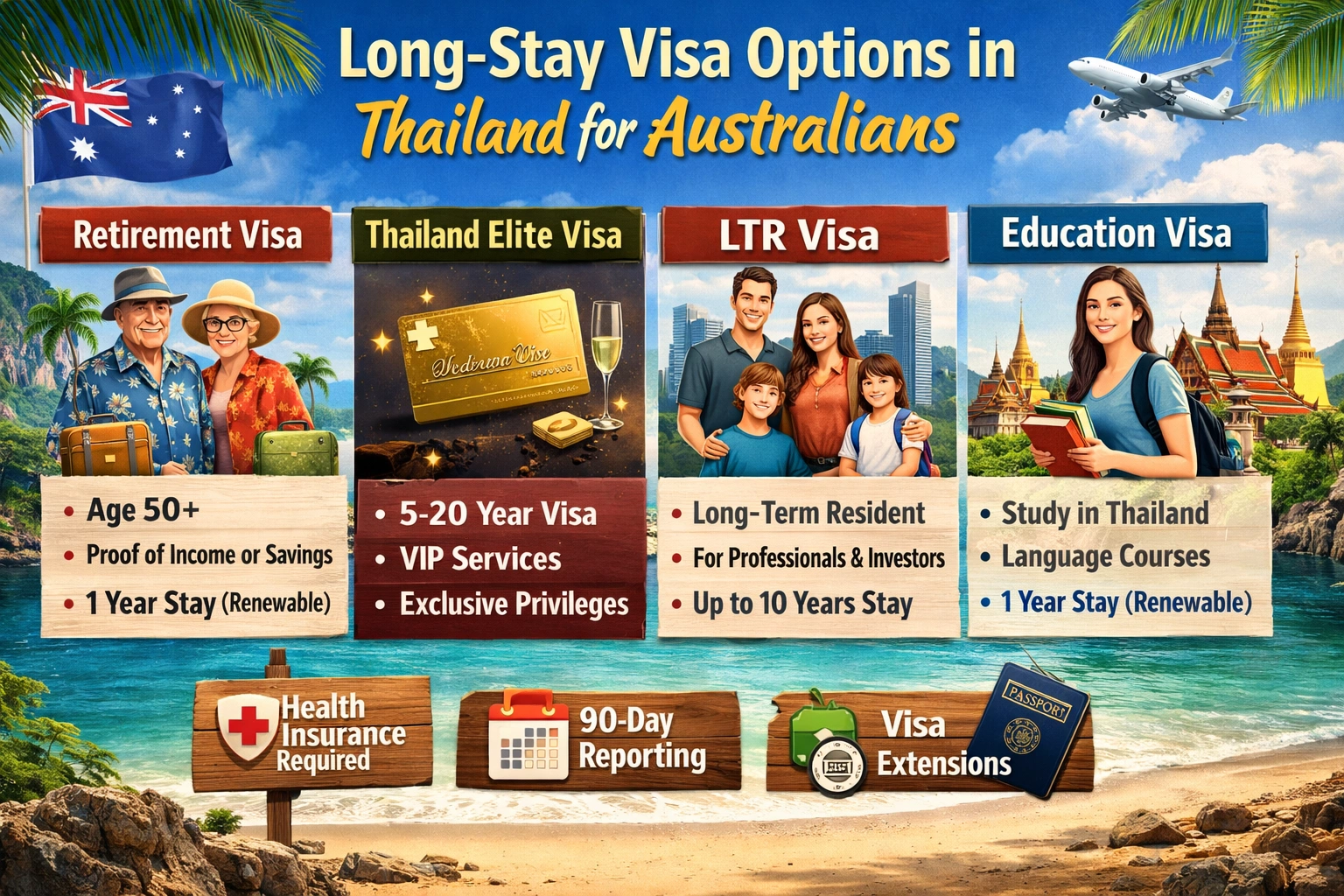

The Thailand Business Visa, officially known as the Non-Immigrant B Visa, is the primary visa option for Australian citizens who plan to work, invest, attend business meetings, or operate a company in Thailand. Understanding the correct process is essential to avoid delays, rejections, or compliance issues after arrival.
This guide explains everything Australians need to know about the Thailand non-immigrant B visa Australia, including eligibility, required documents, application steps, and important legal considerations.
What Is the Thailand Non-Immigrant B Visa?
The Non-Immigrant B Visa allows foreign nationals to legally engage in business-related activities in Thailand, such as employment, company management, investment, or professional consulting.
For Australians, this visa is often the first step toward long-term work authorization, followed by a Thai work permit and possible visa extensions.
Who Should Apply for a Thailand Business Visa?
Australian citizens should consider this visa if they plan to:
-
Work for a Thai-registered company
-
Start or manage a business in Thailand
-
Attend business meetings or corporate negotiations
-
Perform professional or technical services
-
Apply for a Thai work permit legally
If your purpose goes beyond tourism, the Thailand non-immigrant B visa Australia is mandatory.
Eligibility Requirements for Australians
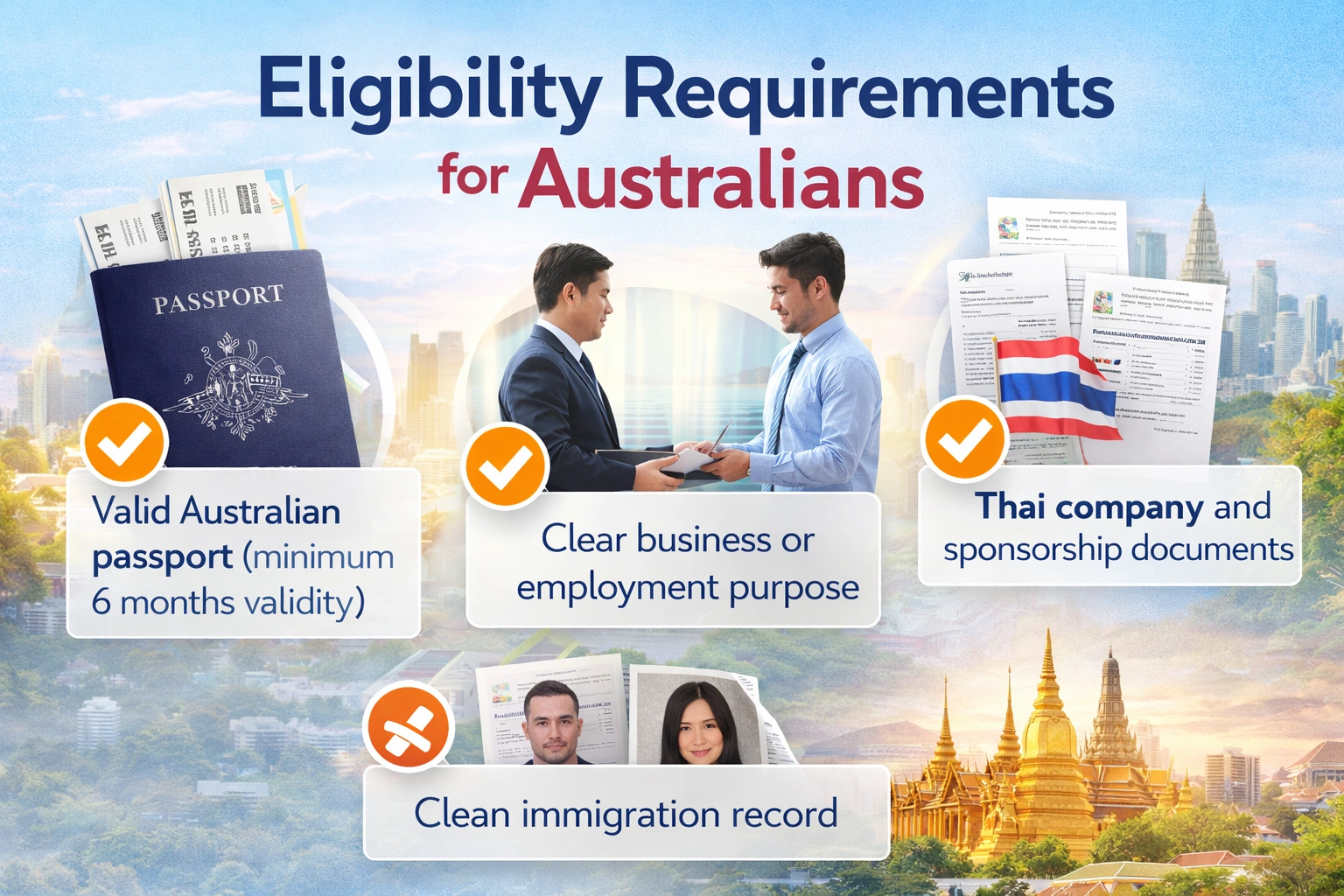
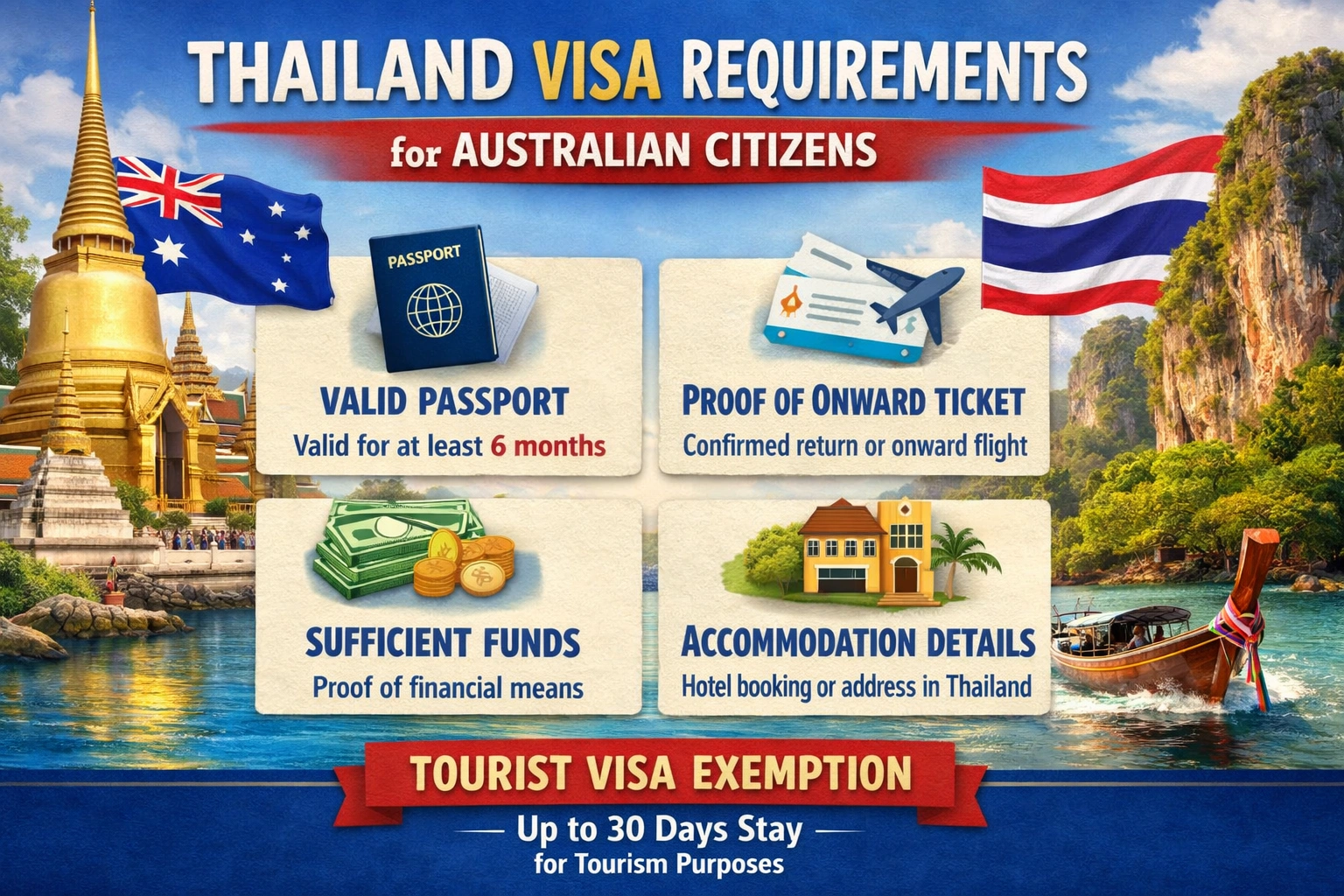
To qualify, applicants must demonstrate a legitimate business purpose and meet basic immigration criteria:
-
Valid Australian passport (minimum 6 months validity)
-
Clear purpose of stay related to business or employment
-
Sponsorship documents from a Thai company or organization
-
No history of overstaying or visa violations
Approval is discretionary and assessed by Thai immigration authorities.
Required Documents for Thailand Non-Immigrant B Visa Australia
Typical documentation includes:
-
Completed visa application form
-
Passport-sized photographs
-
Invitation or employment letter from a Thai company
-
Company registration documents (DBD certificate, shareholder list)
-
Financial evidence (company or personal)
-
Flight details and accommodation information
Additional documents may be requested depending on your role or business activity.
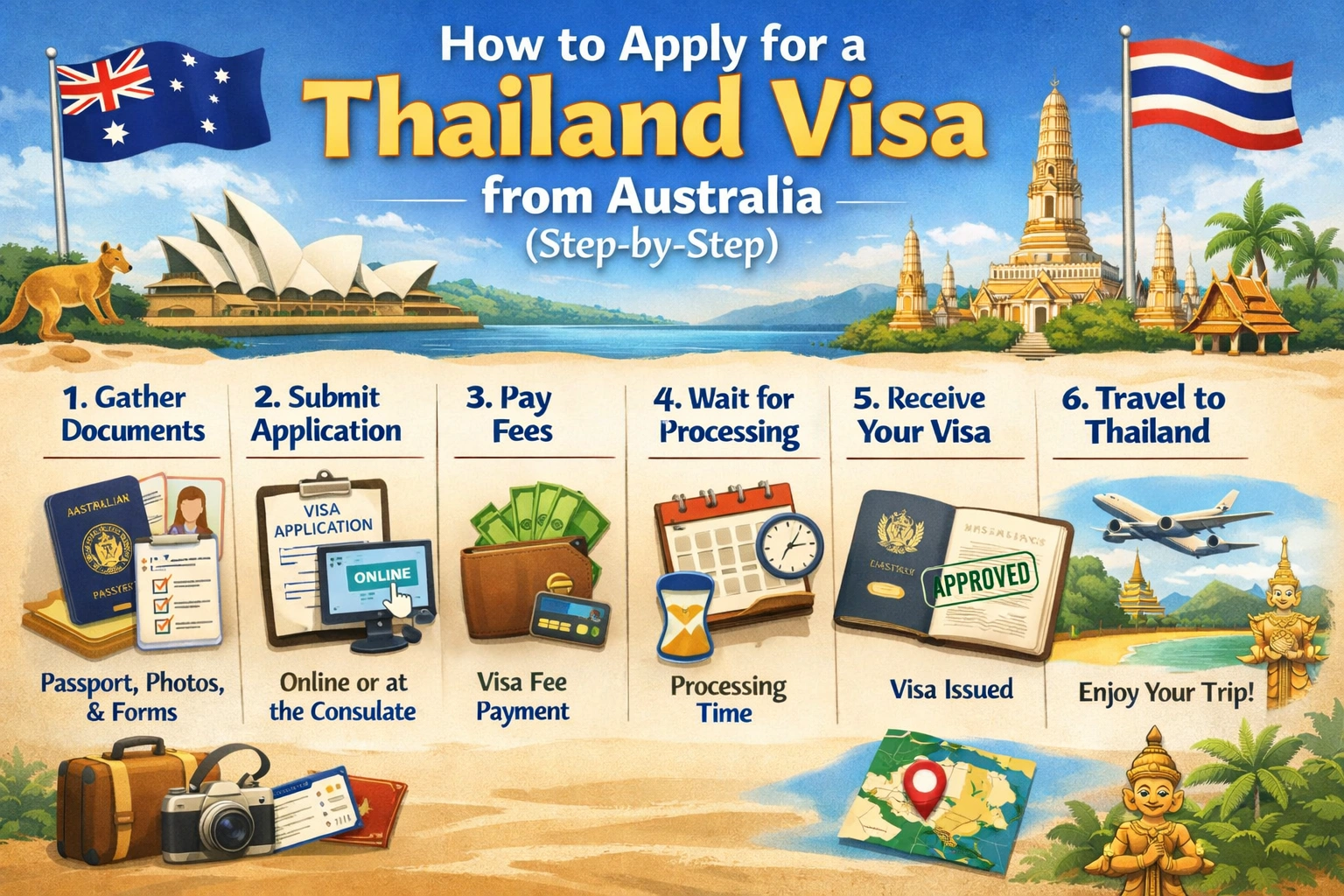
Application Process for Australians
Australians can apply through:
-
Thailand eVisa system (online)
-
Royal Thai Embassy or Consulate in Australia
After approval, the visa is issued for 90 days initially. Once in Thailand, holders must apply for a work permit and may extend the visa to 1 year.
Work Permit and Visa Extension
Holding a Thailand business visa for Australians does not automatically allow work. A Thai work permit must be obtained after arrival.
Once both the visa and work permit are secured, Australians may qualify for:
-
1-year renewable extensions
-
Multiple-entry re-entry permits
-
Long-term business stay options
Compliance with Thai labor and immigration laws is critical.
Common Reasons for Rejection
Visa applications are often refused due to:
-
Incomplete or inconsistent documents
-
Unclear job position or business purpose
-
Weak company financials or sponsorship issues
-
Applying for the wrong visa category
Professional document checks significantly reduce rejection risks.
Why Professional Assistance Matters
The Thailand non-immigrant B visa Australia process involves strict documentation and legal requirements. Small errors can lead to delays, rejection, or future visa complications.
Many Australians choose professional visa consultants to:
-
Verify documents before submission
-
Coordinate with Thai employers
-
Ensure compliance with immigration rules
-
Avoid costly reapplications
Final Thoughts
For Australians planning to work or do business in Thailand, the Thailand Business Visa (Non-Immigrant B) is the correct and legal pathway. With proper preparation and accurate documentation, the process can be smooth and efficient.
If your long-term goal is employment, company ownership, or professional activity in Thailand, starting with the Thailand non-immigrant B visa Australia is the smartest move.